Can Credit Repair Help After a Debt Settlement? What to Check First
· Debt Relief Guidance
A settled debt can still appear on your credit report, and that does not automatically mean the reporting is wrong. The important question is whether the account information is accurate, complete, and up to date.
What should a settled account show?
Depending on the account and how it was resolved, a credit report may continue to show the original account, its payment history, and a notation that the balance was settled or paid. Accurate negative information generally can remain for up to seven years under applicable reporting rules. Paying or settling an account does not automatically erase its history.
Start with your own credit reports
Get your reports through AnnualCreditReport.com, the federally authorized source for free credit reports. Check the reported balance, account status, dates, ownership, and whether the same debt is being reported inconsistently. Save copies of the entries and any settlement confirmation or payment records.
When should you dispute an entry?
If information is inaccurate or incomplete—for example, a balance is incorrectly shown as still owed after a completed settlement—you can dispute it with the credit reporting company and, where appropriate, the business furnishing the information. Explain the specific error and include supporting records. The Consumer Financial Protection Bureau offers guidance on credit-report disputes.
Disputing an accurate item simply because it is unfavorable generally will not require its removal. A dispute also does not guarantee a particular credit-score change.
Can a credit repair company help?
A credit repair service may help organize report reviews, prepare disputes, or manage correspondence. But it cannot legally guarantee the removal of accurate, timely negative information. You can perform the dispute process yourself for free, and paying a company does not create additional legal rights to have accurate information removed.
Before paying for help, compare the services, total costs, cancellation rights, and what work you could reasonably do yourself. Be cautious of promises to erase accurate debts, create a new credit identity, or deliver a specific score increase.
What about The Credit People?
Free evaluation, no obligation: The Credit People advertises an initial evaluation at no charge and without an obligation to enroll. The evaluation may involve providing contact information and speaking with its team; any ongoing credit-repair services are paid. Before sharing personal information, review the company’s privacy practices and ask what the evaluation includes.
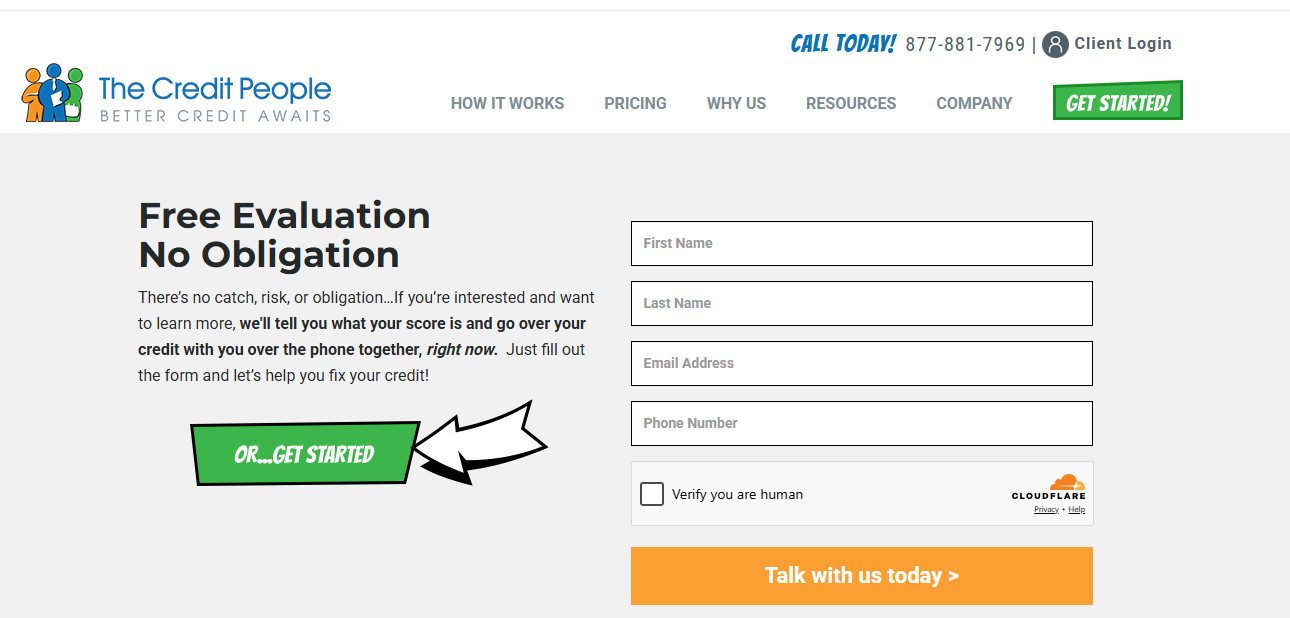
Optional service to evaluate — not an endorsement of results. The Credit People offers professional credit repair services. For someone who wants assistance organizing credit-report disputes, it may be one option to investigate. Its published pricing currently lists Standard at $99 per month, Premium at $119 per month, and a six-month Premium flat-rate option at $599; readers should confirm the current plan details, cancellation terms, and any applicable charges directly before enrolling. These are paid alternatives to free self-help dispute options. We have not independently verified any individual outcome or guaranteed benefit.
Affiliate disclosure: Debt Relief Guidance may receive compensation if a reader later enrolls through a designated referral link, at no additional charge attributable to that referral. That does not change our assessment or mean the service is right for everyone.
Affiliate link. Review current pricing, service terms, and free alternatives before deciding.
A sensible next step
First identify exactly what is incorrect, if anything. If the reporting is accurate, consider whether you need credit counseling, budgeting help, or simply time for negative information to age—not necessarily credit repair. If the reporting is wrong, a documented dispute is usually the place to begin.
For a related question, see our guide to checking a settled debt on your credit report.
Educational information only; not individualized legal or financial advice.